

The modern workplace changes faster than ever before. New technology, shifting industries, remote work, and economic uncertainty have transformed the way people build careers. In the middle of all this change, one skill stands out above the rest: adaptability. While technical knowledge and experience still matter, the ability to adjust, learn, and stay open to change has become one of the biggest advantages a professional can have. People who adapt well are often better prepared to handle challenges, take on new opportunities, and remain confident even when the future feels uncertain.
Change Has Become the New Normal
There was a time when many people could stay in the same role or industry for decades without major disruptions. Today, careers look very different. Companies evolve quickly, industries shift overnight, and new tools constantly reshape the workplace. Because of this, employees who resist change often struggle to keep up. Adaptable professionals, on the other hand, are more willing to learn new systems, adjust their routines, and embrace different ways of working. Instead of fearing change, they treat it as part of growth.
Employers Value Flexible Thinkers
Businesses want employees who can handle unexpected situations without falling apart under pressure. Adaptable workers are often seen as reliable because they can respond calmly when plans change or challenges appear. Whether it’s learning new software, adjusting to a remote environment, or taking on unfamiliar responsibilities, flexibility has become a highly valuable trait. Employers know that people who adapt quickly help companies stay competitive during uncertain times.
Learning Never Really Stops
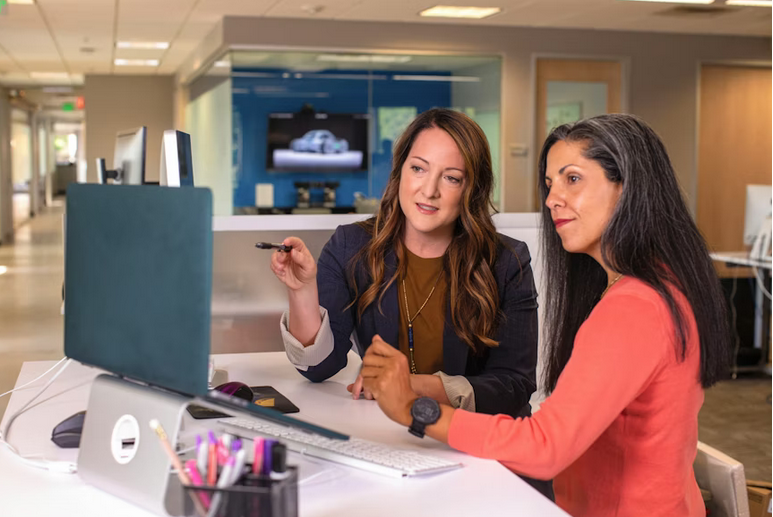
One of the biggest parts of adaptability is the willingness to keep learning. In today’s job market, skills can become outdated surprisingly fast. Professionals who continue to develop themselves are more likely to stay relevant and confident in their careers. This doesn’t always mean going back to school—it can be as simple as taking online courses, improving communication skills, or staying informed about industry trends. The ability to learn continuously helps people remain prepared for whatever changes come next.
Adaptability Builds Confidence
People often assume that adaptable individuals are naturally fearless, but adaptability is usually built through experience. Every time someone handles a challenge, adjusts to change, or learns something new, their confidence grows. Over time, they become more comfortable stepping into unfamiliar situations. This confidence becomes incredibly important during uncertain periods because it allows professionals to focus on solutions instead of panicking about problems.
Stronger Relationships in the Workplace
Adaptable people tend to work well with different personalities and teams. Since workplaces are becoming more collaborative and diverse, being open-minded and flexible helps improve communication and teamwork. Employees who can adjust their communication style, listen to feedback, and cooperate with others are often easier to work with. This ability not only improves workplace relationships but can also lead to better leadership opportunities in the future.
Career Opportunities Often Come Unexpectedly

Some of the best career opportunities appear when people least expect them. A sudden promotion, a shift into a different industry, or a chance to work on a major project may require stepping outside a comfort zone. Adaptable professionals are usually more willing to take those chances because they trust their ability to figure things out along the way. Instead of avoiding uncertainty, they see it as an opportunity for growth and advancement.
Resilience During Difficult Times
Uncertain times can create stress, especially when industries face layoffs, economic challenges, or rapid changes. Adaptability helps people become more resilient during these moments. Rather than staying stuck in frustration, adaptable individuals focus on what they can control. They look for ways to improve, explore new opportunities, and adjust their goals if necessary. This mindset helps them recover faster from setbacks and continue moving forward.
Adaptability is no longer just a useful skill—it has become essential for long-term career success. In a world where industries, technology, and workplace expectations constantly evolve, the ability to adjust and grow can make all the difference. Professionals who stay flexible, continue learning, and remain open to change are often the ones who thrive during uncertain times. While no one can predict the future of work perfectly, adaptability gives people the confidence and resilience to face whatever comes next.